
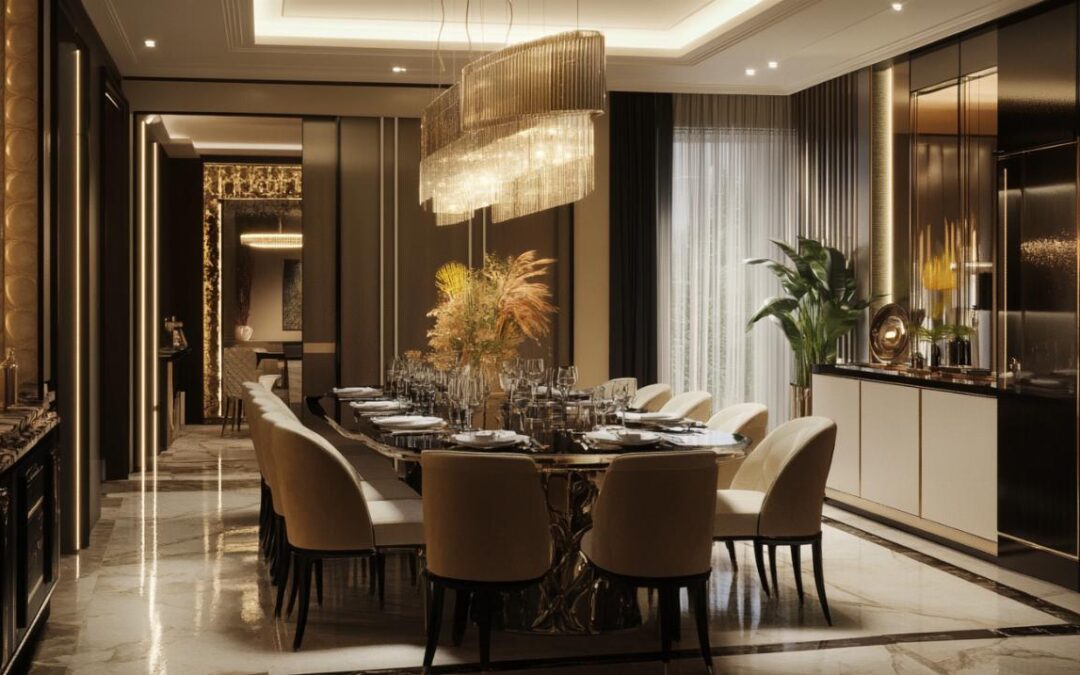
Creating a dining room that truly serves your household whilst exuding the elegance you desire requires careful consideration of the finishes you select. The space where families gather for meals, celebrations unfold, and memories are forged must strike a delicate equilibrium between visual appeal and everyday practicality. Understanding how various finish levels perform in real-world conditions will empower you to make informed decisions that enhance both the beauty and longevity of your dining environment.
Understanding finish levels: from basic to premium standards
When embarking on a dining room project, one quickly discovers that finishes exist along a spectrum ranging from fundamental standards to truly exceptional craftsmanship. At the most accessible tier, basic finishes provide clean, serviceable surfaces that fulfil essential functional requirements without unnecessary embellishment. These typically include straightforward painted walls, laminate worktops, and standard hardware fixtures that offer reliability without premium pricing. Moving upward, mid-range finishes introduce enhanced materials such as quality veneers, improved paint formulations with superior coverage, and hardware with more substantial construction and refined detailing. These options deliver noticeable improvements in both appearance and resilience whilst remaining within reach for many households.
What defines each finish category in dining room design
The distinction between finish categories becomes clearer when examining specific characteristics that separate one level from another. Basic finishes generally employ cost-effective materials processed through streamlined manufacturing techniques, resulting in surfaces that serve their purpose adequately but may show wear more readily over time. The ultimate guide to dining room refinement reveals that mid-tier finishes incorporate better-grade substrates, more durable coatings, and details that elevate the overall aesthetic without venturing into luxury territory. Premium finishes represent the pinnacle of material selection and craftsmanship, featuring solid hardwoods rather than veneers, hand-applied specialist coatings, and bespoke metalwork that transforms functional elements into statement pieces. These top-tier options often involve artisanal techniques and materials sourced for their exceptional characteristics, delivering surfaces that age gracefully and maintain their appearance through decades of use.
Recognising these categories helps clarify expectations regarding both initial investment and long-term performance. A dining room finished to basic standards may require more frequent refreshing and proves less forgiving of daily wear, whereas premium finishes often develop a distinguished patina that adds character rather than detracting from their appeal. The middle ground offers considerable value by providing enhanced durability and visual interest without the substantial outlay required for the finest materials and craftsmanship. Understanding where each element of your dining room falls within this spectrum allows you to allocate resources strategically, investing more heavily in high-impact areas whilst economising sensibly elsewhere.
How material quality impacts both aesthetics and durability
The materials selected for your dining room finishes exert profound influence over both immediate visual impact and long-term serviceability. Surface treatments applied to walls, woodwork, and furniture determine how light interacts with these elements, affecting the perceived warmth and depth of the space. Higher-quality paints and stains contain superior pigments that deliver richer, more consistent colour whilst forming more resilient films that resist marking, fading, and moisture penetration. Wood finishes range from basic polyurethane coatings that provide acceptable protection to specialist oils and waxes that enhance grain patterns whilst allowing the timber to breathe and develop character over time.
The substrate beneath visible finishes matters equally, as even the finest topcoat cannot compensate for inferior underlying materials. Solid timber construction offers unmatched stability and the potential for refinishing multiple times throughout its lifespan, whereas engineered products may limit future restoration options despite advances in manufacturing quality. Stone and ceramic surfaces similarly vary dramatically in density, porosity, and resistance to staining or etching, with premium natural materials often outlasting synthetic alternatives whilst requiring specific care protocols. Metal fixtures and fittings demonstrate comparable variation, with solid brass or stainless steel components maintaining their integrity and finish far longer than plated alternatives that may show wear at stress points within relatively short timeframes.
Aesthetic considerations extend beyond surface appearance to encompass how materials respond to the inevitable demands of dining room use. Finishes must withstand temperature fluctuations from serving dishes, resist moisture from spills and condensation, and tolerate the mechanical stresses of chairs, tableware, and general activity. Premium materials typically incorporate these performance characteristics inherently, whereas basic finishes may require more cautious handling and prompt attention to incidents. The interplay between beauty and resilience becomes particularly evident in high-contact areas such as table surfaces and chair rails, where the quality of both material and finish directly determines how gracefully the space ages.
Practical considerations when selecting your dining room finishes
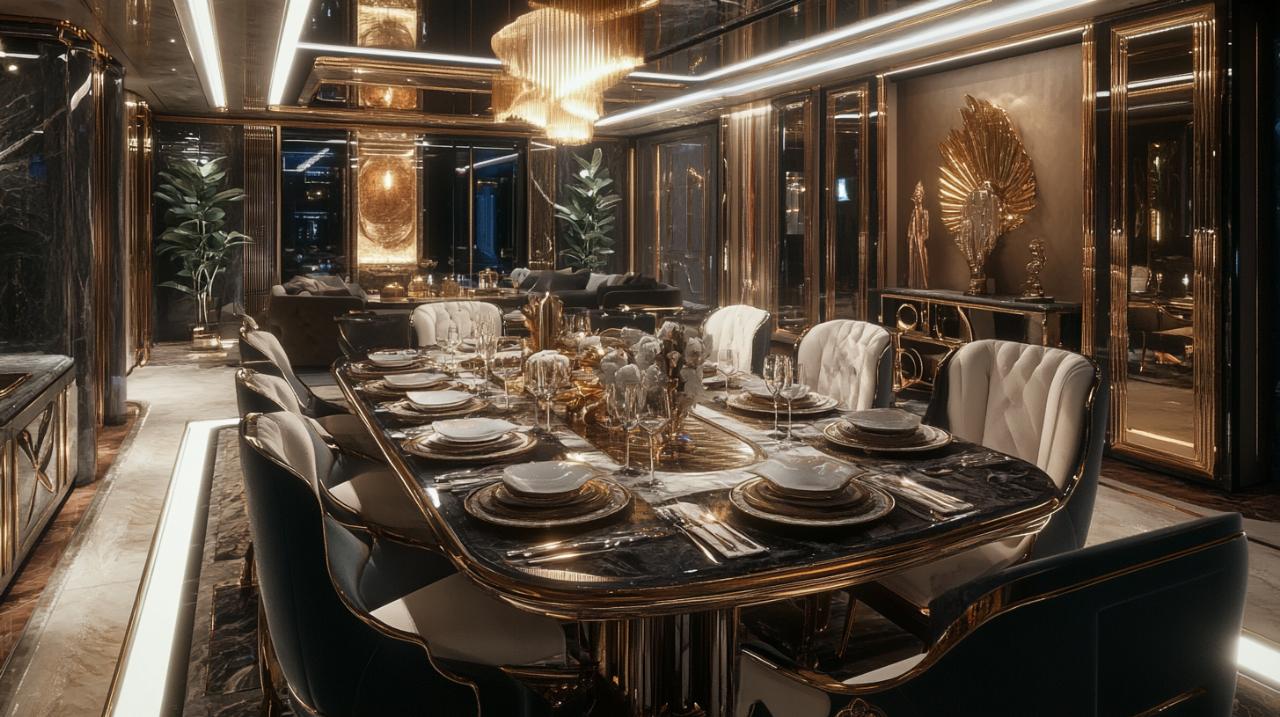
Moving beyond material specifications to examine how your household actually uses the dining room reveals critical factors that should inform finish selections. A formal dining space that hosts occasional gatherings presents vastly different requirements than a kitchen-diner serving as the bustling heart of family life. Honest assessment of usage patterns, tolerance for maintenance, and realistic budgeting ensures that chosen finishes align with practical realities rather than aspirational ideals that may prove frustrating in daily life.
Lifestyle factors that should influence your finish choices
Households with young children or pets face distinct challenges that make certain finish levels more appropriate than others. Surfaces in these environments endure regular impacts, spills, and the sorts of creative mishaps that accompany family life. Selecting mid-range or premium finishes with proven durability in such conditions prevents the constant frustration of visible damage and frequent repairs. Conversely, empty-nesters or couples without children may find that even basic finishes perform adequately given gentler use patterns, allowing them to prioritise aesthetics over extreme durability.
The frequency and formality of entertaining likewise shapes appropriate finish selections. Those who regularly host dinner parties or celebrations benefit from finishes that maintain their appearance despite repeated exposure to guests, spills, and the wear associated with frequent furniture rearrangement. Premium finishes justify their cost in such scenarios through superior stain resistance and the confidence that comes from knowing surfaces will perform reliably under scrutiny. Conversely, households that entertain infrequently may find excellent value in mid-tier options that deliver respectable appearance and adequate performance without premium pricing.
Personal tolerance for imperfection and maintenance also factors significantly into finish selection. Some homeowners embrace the lived-in character that develops on softer finishes, viewing marks and patina as evidence of a well-used space, whilst others prefer pristine surfaces that maintain their original appearance indefinitely. Understanding your position along this spectrum helps identify finishes that will satisfy rather than frustrate, ensuring that your dining room remains a source of pleasure rather than anxiety.
Maintenance requirements across different finish levels
Different finish levels impose varying maintenance demands that merit careful consideration during selection. Basic finishes typically require the most frequent attention, with painted surfaces needing periodic touch-ups, laminate components showing wear at edges, and hardware requiring replacement as mechanisms deteriorate. These ongoing interventions consume both time and resources over the lifespan of the room, potentially offsetting initial savings compared to more substantial investments upfront.
Mid-range finishes generally reduce maintenance frequency through improved durability and quality materials that withstand daily use more successfully. These options often feature factory-applied protective coatings that eliminate the need for regular reapplication, hardware with superior mechanisms that function smoothly for years, and materials that tolerate standard cleaning products without degradation. The reduced maintenance burden appeals to busy households seeking reliable performance without constant vigilance or intervention.
Premium finishes present a paradox regarding maintenance requirements. Whilst these materials often prove most durable over extended periods, they may demand specific care protocols to preserve their exceptional qualities. Natural stone surfaces might require periodic sealing, fine wood finishes may benefit from occasional waxing or oiling, and specialist metal treatments could need particular cleaning approaches. However, these maintenance tasks typically occur less frequently than the repairs and refreshing required by lower-tier finishes, and many homeowners find the rituals of caring for premium materials satisfying rather than burdensome. Understanding these maintenance realities before committing to specific finishes ensures that selections align with both lifestyle and personal preferences regarding household upkeep.