
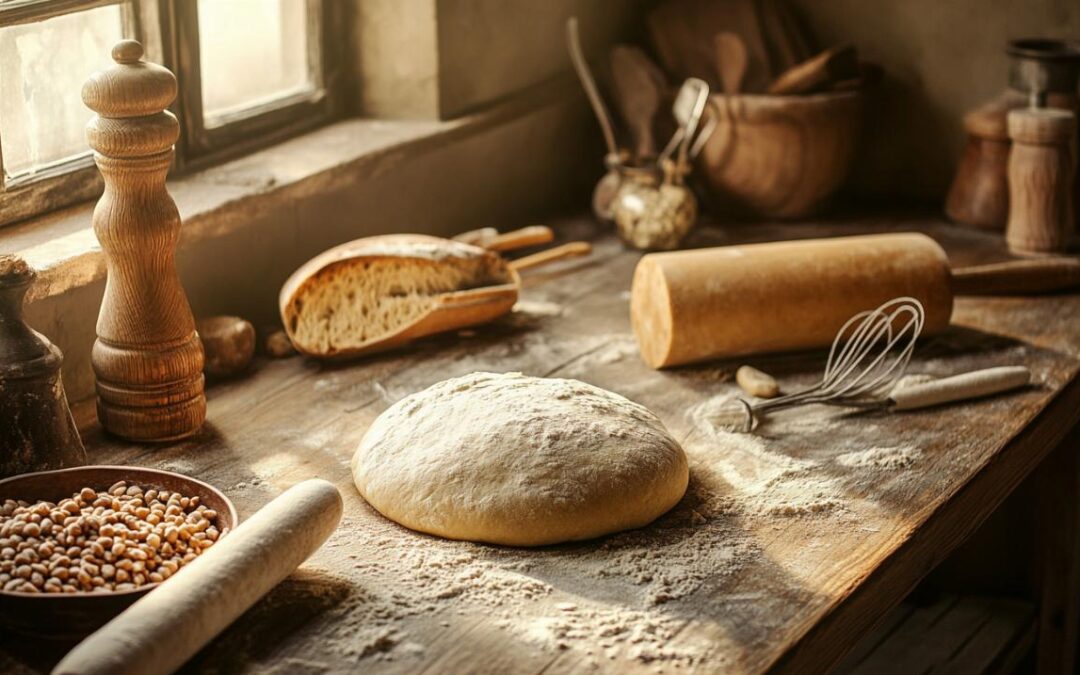
The art of bread making has experienced a remarkable resurgence in recent years, with home bakers increasingly seeking to replicate the quality and character of artisan loaves once available only from specialist bakeries. This renewed enthusiasm has sparked a wave of experimentation, encouraging bakers to delve deeper into traditional methods whilst embracing modern understanding of fermentation, grain selection, and baking science. By combining time-honoured techniques with contemporary insights, anyone can explore new culinary experiences and transform their kitchen into a space where rustic, flavourful bread becomes an everyday reality rather than an occasional treat.
Mastering sourdough starters for enhanced flavour development
At the heart of many artisan loaves lies the sourdough starter, a living culture of wild yeasts and bacteria that imparts complexity and depth to bread. Unlike commercial yeast, which offers speed and predictability, a sourdough starter develops its character over time, drawing on the natural microorganisms present in flour and the surrounding environment. The result is a loaf with a nuanced flavour profile, often described as tangy, nutty, or even fruity, depending on the specific strains at work and the conditions under which they thrive.
Understanding wild yeast cultivation and maintenance
Creating and maintaining a sourdough starter requires patience and attentiveness, but the rewards are well worth the effort. The process begins with mixing flour and water, then allowing the mixture to sit at room temperature. Over several days, wild yeasts and lactic acid bacteria colonise the blend, feeding on the starches and sugars present in the flour. This symbiotic relationship not only leavens the dough but also produces organic acids that contribute to the characteristic tang and extended shelf life of sourdough bread. Regular feeding with fresh flour and water keeps the culture vigorous, ensuring that the microorganisms remain active and ready to leaven your next batch of dough.
Feeding Schedules and Temperature Control for Optimal Activity
The vitality of a sourdough starter depends heavily on consistent feeding schedules and careful temperature management. A warmer environment accelerates fermentation, encouraging the starter to become more active and ready for baking sooner, whilst cooler temperatures slow the process, allowing for more gradual flavour development. Many bakers find that feeding their starter once or twice daily at room temperature maintains a healthy balance, but adjusting the frequency based on ambient conditions and baking plans can yield even better results. Understanding how temperature influences the balance between yeast and bacteria is key to achieving the desired flavour intensity and sourness in the final loaf.
Incorporating Whole Grains for Nutritional Benefits and Character
The choice of flour is one of the most impactful decisions a baker can make, and the inclusion of whole grains introduces both nutritional value and distinctive character to homemade bread. Unlike refined white flour, whole grain flours retain the bran and germ, offering higher fibre content, vitamins, and minerals. Beyond health benefits, these flours contribute to a richer, more complex flavour and a denser, more satisfying crumb structure. Incorporating whole grains into your baking repertoire not only elevates the taste and texture of your loaves but also connects you to the agricultural heritage that underpins traditional bread making.
Selecting Ancient and Heritage Grains for Depth of Flavour
Ancient and heritage grains such as spelt, einkorn, and emmer have gained renewed popularity among home bakers seeking to explore new culinary experiences. These grains, cultivated for thousands of years before modern wheat varieties became dominant, offer unique flavour profiles that range from sweet and nutty to earthy and robust. Their genetic diversity often translates into a more complex taste and a distinctive colour in the finished loaf. Working with these grains can require adjustments to hydration and mixing techniques, but the resulting bread offers a connection to historical baking traditions and a depth of flavour that modern wheat sometimes lacks.
Milling techniques and fresh flour integration methods
For those truly committed to artisan baking, milling flour at home unlocks a new dimension of freshness and flavour. Freshly milled flour retains volatile oils and aromatic compounds that dissipate over time in commercially produced flour, resulting in bread with a more vibrant taste. Small countertop mills allow bakers to grind whole grains just before mixing, ensuring maximum nutritional value and flavour intensity. When integrating fresh flour into recipes, it is important to note that freshly milled grains absorb water differently than their aged counterparts, often requiring slight adjustments to hydration levels to achieve the desired dough consistency.
Experimentation with Hydration Levels to Achieve Desired Texture
Hydration, the ratio of water to flour in a dough, is a fundamental variable that profoundly influences the texture and structure of bread. Higher hydration levels generally produce loaves with an open, airy crumb and a chewy texture, whilst lower hydration yields a tighter crumb and a more uniform slice. Understanding how to manipulate hydration opens up a world of possibilities, allowing bakers to tailor their loaves to suit specific preferences and occasions, from rustic country breads with irregular holes to sandwich loaves with a fine, even texture.
High-hydration doughs for open crumb structure
High-hydration doughs, typically containing seventy-five percent or more water relative to flour, present a challenge for novice bakers but reward persistence with exceptional results. These wet doughs require gentle handling and extended fermentation to develop structure without overworking the gluten. The increased water content promotes enzymatic activity and creates steam during baking, which expands the dough and produces the large, irregular holes characteristic of artisan loaves. Working with high-hydration dough demands practice and confidence, but the light, custardy interior and crackling crust are hallmarks of professional-quality bread.
Adjusting water content for different flour types
Different flours absorb water at varying rates, and successful bakers learn to adjust hydration based on the specific characteristics of their chosen flour. Whole grain flours, with their bran and germ intact, generally require more water than refined white flour to achieve a workable dough. Similarly, ancient grains and alternative flours such as rye or barley each have unique absorption properties. Observing the dough during mixing and adjusting water incrementally ensures that the final consistency is neither too stiff nor too slack. This attentiveness to the tactile qualities of dough is a cornerstone of artisan baking and a skill that develops with experience.
Utilising Steam in Home Baking for Professional-Quality Crust
One of the distinguishing features of bakery bread is its golden, crackling crust, achieved through the application of steam during the initial phase of baking. Steam delays the formation of a hard crust, allowing the dough to expand fully in the oven and creating the dramatic oven spring that contributes to a loaf's volume and texture. Replicating this effect at home requires some ingenuity, as domestic ovens lack the steam injection systems found in commercial baking equipment, but several effective techniques can bring professional results within reach.
Creating Steam in a Domestic Oven Environment
Home bakers have developed numerous methods to introduce steam into their ovens, ranging from placing a pan of boiling water on a lower rack to spraying the oven walls with water just before loading the dough. Another popular approach involves baking the loaf in a covered vessel such as a Dutch oven or heavy casserole dish, which traps the moisture released by the dough and creates a steamy microenvironment. This method not only simplifies the process but also concentrates heat around the loaf, promoting even baking and a beautifully caramelised crust. Each technique has its merits, and experimenting with different approaches helps bakers discover what works best for their equipment and preferences.
Timing steam application for maximum oven spring
The timing of steam application is as important as the method itself. Introducing steam at the moment the dough enters the oven and maintaining it for the first ten to fifteen minutes of baking allows the dough to expand fully before the crust sets. Once the desired oven spring is achieved, removing the steam source or uncovering the loaf encourages the crust to dry and develop its characteristic colour and crunch. Mastering this timing transforms home-baked loaves, giving them the volume, texture, and appearance of breads from the finest bakeries.
Long Fermentation Times for Improved Taste and Digestibility
Patience is a virtue in bread making, and nowhere is this more evident than in the practice of long fermentation. Allowing dough to ferment slowly, often over many hours or even days, enhances flavour development, improves digestibility, and creates a more complex crumb structure. This extended fermentation allows enzymes to break down starches and proteins, producing a loaf that is easier on the digestive system and richer in taste. For bakers willing to plan ahead, the rewards of long fermentation are substantial.
Cold retardation methods for flavour complexity
Cold retardation, the process of refrigerating dough during fermentation, is a powerful tool for building flavour without overproofing. At cooler temperatures, yeast activity slows whilst bacterial activity continues, allowing for the development of organic acids and other flavour compounds that contribute to a more nuanced loaf. Many bakers shape their dough and then refrigerate it overnight, baking it straight from the fridge the next morning. This method not only deepens flavour but also adds convenience, as the dough can be prepared in advance and baked when needed. The resulting bread often exhibits a more pronounced tang and a darker, more caramelised crust.
Balancing fermentation duration with gluten development
Whilst long fermentation enhances flavour, it must be balanced with the dough's structural integrity. Over-fermentation can weaken gluten networks, leading to a dough that collapses or fails to hold its shape during baking. Successful bakers learn to recognise the signs of optimal fermentation, such as a dough that has doubled in size, shows visible bubbles, and springs back slowly when gently pressed. Adjusting fermentation times based on ambient temperature, flour type, and desired flavour intensity requires observation and experience, but mastering this balance is essential for consistently excellent results.
Adapting traditional methods for contemporary home baking
The techniques that have shaped bread making for centuries remain relevant today, but they often require adaptation to suit modern kitchens and lifestyles. By understanding the principles underlying traditional methods, home bakers can translate time-tested practices into practical approaches that fit contemporary routines without sacrificing quality. This fusion of old and new honours the craft's heritage whilst embracing the conveniences and insights available to today's bakers.
Translating commercial techniques to smaller batches
Professional bakers work at scales that home kitchens cannot accommodate, but the core techniques they employ can be scaled down with careful attention to detail. Mixing methods, fermentation schedules, and shaping techniques all translate to smaller batches, though adjustments may be necessary to account for differences in equipment and environment. Understanding the ratios and principles at play allows home bakers to apply professional methods effectively, producing loaves that rival those of commercial bakeries in flavour, texture, and appearance.
Using modern equipment whilst honouring time-tested principles
Modern equipment such as stand mixers, digital scales, and temperature-controlled proofing boxes can streamline the bread making process without compromising the integrity of traditional methods. These tools offer precision and consistency, making it easier to achieve repeatable results. However, the best outcomes arise when technology serves the craft rather than replacing it. Hand-shaping dough, feeling its texture, and observing its behaviour remain essential skills that no machine can fully replicate. By combining modern conveniences with hands-on engagement, bakers can enjoy both efficiency and the tactile satisfaction of working with dough.
Experimenting with Flavourings Including Herbs and Spices
Once the fundamentals of bread making are mastered, the addition of herbs, spices, and other flavourings opens up endless creative possibilities. These additions can transform a simple loaf into something extraordinary, infusing it with aromatic complexity and visual appeal. Experimentation with flavourings encourages bakers to explore new culinary experiences and develop signature breads that reflect personal tastes and seasonal ingredients.
Pairing botanical additions with different bread styles
The choice of herbs and spices should complement the bread's style and intended use. Robust, earthy flavours such as rosemary and thyme pair beautifully with rustic, whole grain loaves, whilst delicate herbs like dill or fennel fronds enhance lighter, more refined breads. Sweet spices such as cinnamon, cardamom, or anise can elevate enriched doughs, adding warmth and depth to festive or dessert breads. Thoughtful pairing ensures that the added flavours enhance rather than overwhelm the bread's inherent character, creating a harmonious balance that delights the palate.
Toasting and Blooming Spices for Intensified Aroma
To maximise the impact of spices, many bakers toast them lightly in a dry pan before adding them to the dough. This process releases essential oils and intensifies their aroma, ensuring that the flavours permeate the bread rather than remaining muted. Blooming spices in a small amount of warm water or fat before incorporating them into the dough can further enhance their presence. These simple preparatory steps elevate the sensory experience of the finished loaf, filling the kitchen with enticing aromas and delivering a depth of flavour that transforms an everyday bread into a memorable creation.