Embarking on the journey to create a self-sufficient dwelling away from the conventional electricity grid presents unique opportunities to connect deeply with your surroundings. While the physical labour and careful planning demand your attention, the culinary possibilities available in your immediate environment can transform this challenging period into one of unexpected gastronomic delight. Embracing the rhythms of regional food culture not only sustains your energy throughout demanding construction days but also establishes meaningful connections with the community that will surround your new home.
Savouring regional cuisine during your self-sufficient build
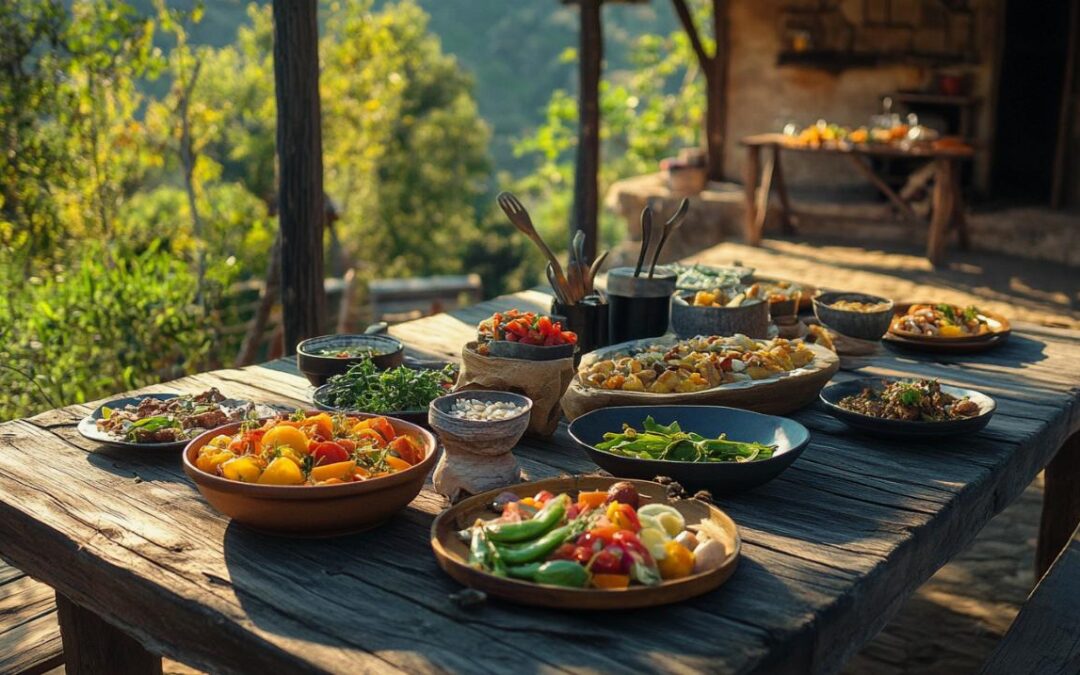
When you commit to building your own off-grid residence, the construction phase often extends over months or even years, depending on the complexity of your design and the availability of resources. Throughout this intensive period, maintaining proper nutrition becomes essential, yet traditional meal solutions may prove impractical given the rustic conditions of your building site. This reality presents a wonderful opportunity to explore delicious local dishes that reflect the agricultural heritage and seasonal abundance of your chosen location. Rather than relying on processed convenience foods or lengthy trips to distant supermarkets, turning towards nearby producers and traditional preparation methods creates a nourishing routine that aligns perfectly with the self-sufficient philosophy underpinning your entire project.
The concept of an off-grid cookbook has gained considerable traction among those pursuing homesteading lifestyles, offering guidance on preparing wholesome meals using homegrown ingredients and traditional cooking techniques. These resources often emphasise seasonal cooking, recognising that working with what nature provides at different times of year reduces dependency on commercial supply chains whilst maximising flavour and nutritional value. Such an approach proves particularly relevant during construction periods when access to modern kitchen facilities may be limited or non-existent. Learning to prepare hearty stews on a wood stove or mastering sourdough baking with minimal equipment not only feeds you adequately but also develops skills that will prove invaluable once your self-sufficient home reaches completion.
Discovering local food markets and vendors near your build site
Before the first foundation stone is laid, investing time in exploring the food landscape surrounding your building plot pays substantial dividends. Most rural and semi-rural areas possess networks of small-scale producers, farm shops, and weekly markets that offer fresh produce, dairy products, and artisan goods often unavailable in conventional retail outlets. Establishing these connections early allows you to understand seasonal availability patterns and build relationships with suppliers who can become trusted sources throughout your construction journey and beyond. Unlike supermarket transactions, purchasing from local vendors frequently involves conversations about growing methods, recipe suggestions, and insights into regional culinary traditions that enrich your understanding of the area you now call home.
These interactions often reveal unexpected treasures: a farmer who produces exceptional cheese using traditional methods, a smallholder specialising in heritage vegetable varieties, or a baker whose sourdough loaves require no modern preservatives. Many such producers welcome customers who appreciate their craft and can provide valuable knowledge about food preservation techniques, rendering fats for cooking, or preparing pickles that extend the usability of seasonal gluts. For someone constructing an off-grid dwelling, these skills align perfectly with the broader aim of self-sufficiency, transforming meal preparation from a mere necessity into an educational experience that complements the practical knowledge gained through building work.
Balancing construction timelines with proper meal planning
The physical demands of constructing a home require substantial caloric intake and balanced nutrition, yet the exhaustion following a full day of labour often tempts builders towards the quickest available option rather than the most nourishing choice. Successful navigation of this challenge requires thoughtful meal planning that respects both your energy levels and nutritional needs whilst remaining realistic about available time and cooking facilities. Preparing larger quantities of robust dishes such as soups, stews, and baked goods during less physically intensive periods allows you to maintain proper nutrition even on days when construction work consumes every available hour of daylight.
Seasonal sections naturally suggest themselves when planning meals around a building schedule that spans multiple months. Spring might bring tender greens and early vegetables perfect for lighter dishes that sustain energy without heaviness, whilst autumn's harvest provides root vegetables and preservable produce ideal for creating stores that will feed you through winter construction phases. Understanding these natural rhythms and adapting your meal planning accordingly demonstrates the practical wisdom found in homesteading recipes developed over generations. Such traditional approaches recognise that food serves not merely as fuel but as a source of comfort and pleasure that sustains morale during challenging projects.
Constructing your off-grid dwelling whilst supporting local producers
The decision to build an off-grid home typically stems from values that prioritise environmental responsibility, community connection, and reduced dependence on industrial systems. These same principles naturally extend to food choices, making the construction period an ideal time to establish purchasing patterns that support local agricultural economies whilst reducing your environmental footprint. Every pound spent with nearby producers rather than distant corporations represents a vote for the kind of food system you wish to sustain, creating economic resilience within your community whilst ensuring access to fresher, more nutritious ingredients.
Tasmania has produced notable voices advocating for this integrated approach to self-sufficient living. Kate Downham, a gardener and author from that island state, has contributed significantly to the literature surrounding off-grid cooking with her comprehensive work featuring over one hundred traditional recipes designed specifically for those growing their own food and preparing meals with minimal modern conveniences. Her approach emphasises adaptable everyday recipes that work whether cooked on a wood stove or conventional range, recognising that self-sufficiency exists on a spectrum rather than as an absolute state. This pragmatic philosophy proves particularly valuable during construction phases when your cooking setup may evolve from a simple camping stove to a more permanent wood-fired range as your dwelling takes shape.
Establishing Relationships with Nearby Farm Shops and Artisan Suppliers
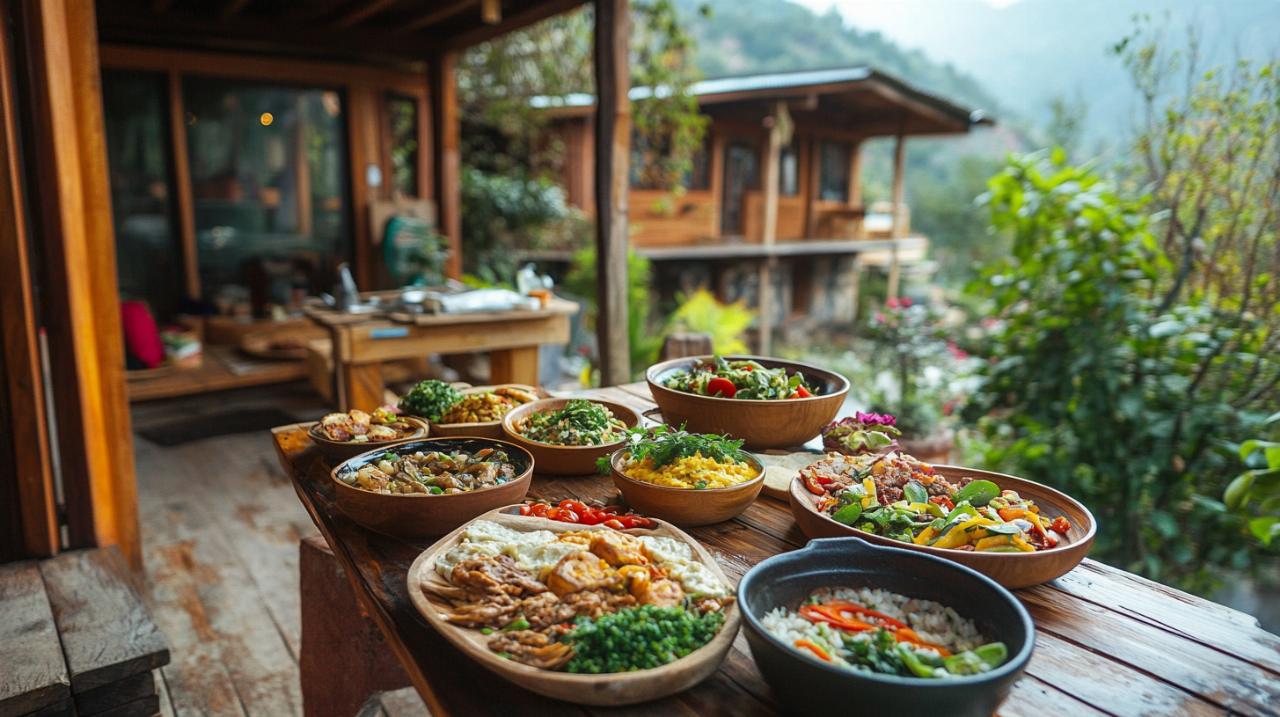
Transitioning from anonymous supermarket shopping to relationships with individual producers requires a subtle shift in mindset and shopping habits. Farm shops and artisan suppliers typically operate on different schedules than conventional retailers, often with limited opening hours that reflect the realities of small-scale production. Adapting to these constraints, however, brings rewards that extend beyond mere convenience. Producers who recognise returning customers often share knowledge generously, offering insights into optimal preparation methods, suggesting complementary ingredients, or even inviting you to visit their operations to understand their work more fully.
These relationships prove especially valuable when sourcing ingredients for ambitious kitchen projects such as cheese making or yoghurt production, where quality of base ingredients significantly impacts final results. A dairy farmer committed to traditional practices can explain the seasonal variations in milk composition that affect cultured products, knowledge that transforms potential failures into learning experiences. Similarly, a grain grower passionate about heritage varieties might offer guidance on working with different flour types for baked goods, sharing the kind of nuanced understanding that no cookbook can fully convey. Such exchanges represent the social dimension of food self-sufficiency, reminding us that even the most independent homestead exists within networks of mutual support and shared knowledge.
Creating a Sustainable Kitchen Setup for Your Self-Sufficient Home
As your off-grid dwelling progresses from foundation to enclosed structure, planning your kitchen space deserves careful attention to ensure it supports your long-term self-sufficiency goals whilst remaining practical for daily use. Unlike conventional kitchens designed around electric appliances and constant grid power, an off-grid kitchen must balance functionality with realistic energy budgets. This constraint, rather than representing a limitation, often produces more thoughtful designs that prioritise versatile equipment and techniques over specialised gadgets. A quality wood stove, for instance, provides space heating whilst enabling cooking methods from slow roasts to quick stir-fries, embodying the kind of multipurpose efficiency that characterises successful off-grid systems.
Kitchen skills development should progress alongside the physical construction, with each phase of building offering opportunities to expand your culinary repertoire under increasingly comfortable conditions. Early stages might involve mastering one-pot meals prepared over an open fire or portable stove, whilst later phases allow experimentation with more complex techniques like rendering fats or extended sourdough baking as permanent cooking facilities come online. This gradual progression mirrors the broader journey towards self-sufficiency, building confidence through accumulated small successes rather than attempting everything simultaneously. Documentation of this learning process, whether through written notes or photographs, creates a personal resource that proves invaluable when troubleshooting challenges or teaching these skills to others.
The intersection of construction work and culinary exploration might initially seem unlikely, yet both pursuits share fundamental characteristics that make them natural companions. Each requires patience, attention to detail, willingness to learn from mistakes, and appreciation for traditional knowledge refined over generations. Building a home with your own hands whilst simultaneously developing the skills to feed yourself from local resources creates a foundation for genuine self-reliance that extends far beyond mere technical competence. The confidence gained from successfully navigating these challenges permeates other aspects of life, fostering resilience and resourcefulness that serve you well regardless of future circumstances.
Modern initiatives have emerged to support those pursuing this integrated approach to self-sufficient living. Kickstarter campaigns have successfully funded projects that document and share traditional food skills, recognising widespread appetite for knowledge that helps people reconnect with fundamental aspects of daily life. These campaigns often aim to minimise environmental impact by using local printing services rather than relying on international shipping networks, demonstrating how even the distribution of information can align with sustainability principles. Pre-order opportunities through such platforms allow interested individuals to access resources at favourable prices whilst supporting creators whose work might otherwise struggle to find commercial backing through conventional publishing channels.
The availability of these resources in both physical and e-book formats acknowledges the diverse preferences and circumstances of modern homesteaders. Whilst some prefer the tactile experience of a printed cookbook that can withstand kitchen splatters and be consulted without electronic devices, others appreciate the searchability and portability of digital versions. This flexibility ensures that valuable knowledge reaches the widest possible audience, supporting anyone interested in developing greater food self-sufficiency regardless of their current living situation or building progress. Whether you consult these guides on a tablet powered by solar panels or thumb through dog-eared pages by lamplight, the fundamental wisdom they contain remains equally valuable.
Throughout the demanding process of constructing your off-grid home, remember that nourishment encompasses more than mere calories. Meals prepared from quality local ingredients using traditional techniques provide sensory pleasures and emotional satisfaction that sustain your commitment during inevitable difficult periods. The aroma of bread baking in a wood-fired oven, the rich complexity of a slowly developed stew, or the bright freshness of just-picked vegetables dressed simply with local dairy products offer moments of joy that balance the physical exhaustion of building work. These experiences, accumulated over months of construction, weave together into a narrative of place and self-reliance that gives your finished home deeper meaning than any structure built by contractors could possess. By the time you complete your dwelling, you will have developed not only construction skills but also an intimate knowledge of your local food landscape and the competence to feed yourself well from its resources, embodying the self-sufficient ideal in its fullest sense.